

"A household residing in North London seeks an remarkable and skilled instructor to support their youngest child on his first steps to turning into an English gentleman."
Looking at this listing, you might readily overlook the wording "first-steps" as simple a turn of phrase.
However, it may be the most significant aspect of this distinctive position posting, as it attempts to find a teacher for a infant.
Numerous of applications have already been received since the unnamed family advertised their search for the £180k-a-year tutor, who has to be "a uniquely qualified person".
Over the last few weeks, the post has gained notice throughout the news, with many wondering why?
Innovative Idea
The CEO, chief executive of a global tutoring firm, which is assisting the family in their quest, said that despite initial skepticism, he considered the idea "forward-looking", and "advanced".
When he consulted the family, he noted they understood the unconventional nature of their demand, and how young their son is.
Nevertheless, they clarified that they "didn't want to wait any longer" to get a tutor, as they had waited until their older child was five, and by that stage "cultural influence had already set in".
What exactly did the family refer to by "cultural predisposition"?
It's "all-encompassing", Adam responded. "How you eat, the way you speak".
He said the firstborn had picked up "really subtle, body language" from the family, and had adopted their cultural habits. The family informed him they hoped to prevent the same situation to happen again with their infant.
The intention: To bring in a UK tutor, who should speak with RP, to guide the baby from day one.
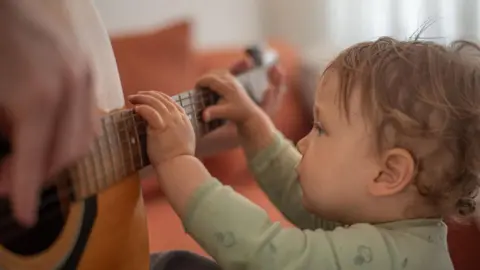
Subtle Influence
"A lot of the education at the beginning here is kind of acquired indirectly," said Adam.
It's through this osmosis that the family are hoping the child will acquire the English characteristics they aim to cultivate.
He noted the tutor must be someone who studied at "prestigious academies – similar types of schools as the family hope to send their son to".
"The instructor just has to be the right kind of person, they'll be doing things they don't even know they're doing, just naturally," he added.
Cost Not Relevant
The family informed the expert the successful candidate should ideally also have understanding of or enthusiasm in riding, winter sports, artistic pursuits and instrumental training so as to inspire the child in a broad spectrum of hobbies.
Furthermore though, he explained the family wanted the tutor to register the child on a range of lessons so the child would be "horseback riding and learning an musical instrument by the time they are about three years old".
In the family's view, assisting their son become a "British gentleman" will lead to achievement and open doors.
"Taking into account the pros and cons of that, because it's undoubtedly a status symbol," he comments.
However, notwithstanding all this tutelage in "Britishness", might the child pick up alleged cultural leaning from the globally influenced family he resides with in any case?
"Absolutely", replied he. "The family realize this might not succeed, but they've merely embraced the perspective of, 'why not attempt it and we'll proceed as quickly as we can', because the cost of it is not a concern," he explained.
Impractical
A number of in the tutoring industry who share these reservations.
Another CEO, chief executive of an educational organization, who supplies private tutors, wrote that "the development of embracing two identities, or indeed, forming one's identity, is something that must be experienced personally, not manufactured."
The expert noted that he had moved from Asia to the Britain at the time of childhood, and had been brought up experiencing and living two backgrounds. He progressed to be educated at the University of Cambridge.
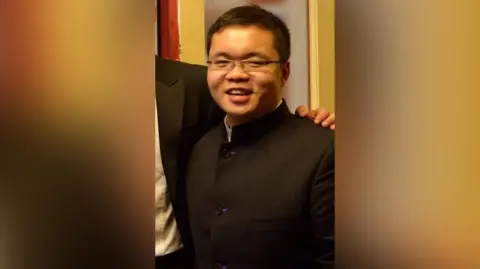
"The idea that one individual can serve as a representation of English culture, a person who can somehow transfer the qualities of a English gentleman onto a one-year-old child, seems to me optimistic and unrealistic," he commented.
"In my experience, employing a typically English tutor from infancy will not instantly achieve the result they want.
"I never had that kind of mentor, and nevertheless I have been privileged enough to experience numerous of the experiences they hope for their son."
He continued: "The truth is, cultural identity should not be imposed from the outside; it must be selected, and it must come from within."
Purchasing UK Culture
Certainly, Britishness is something the expert thinks can be taught – and sold.
"In my view the situation that the world views us in this light is something that we should be cherishing|valuing|appreciating


